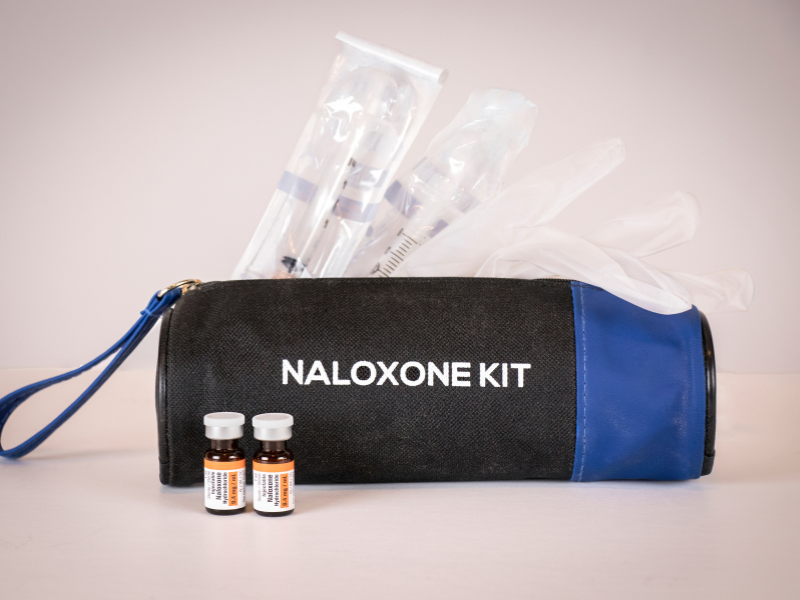
Beginning December 12, 2026, many New York private employers will be required to keep naloxone or another opioid overdose reversal medication available in the workplace.
Read More
Looking for something specific?
Beginning December 12, 2026, many New York private employers will be required to keep naloxone or another opioid overdose reversal medication available in the workplace.
Read MoreThe rise of remote work has changed where employees do their jobs, but it hasn't changed the rules around overtime exemptions.
Read MoreMany business owners believe their HR is fine until a structured review replaces assumptions with a clear picture of the risks, gaps, and priorities they could not see before.
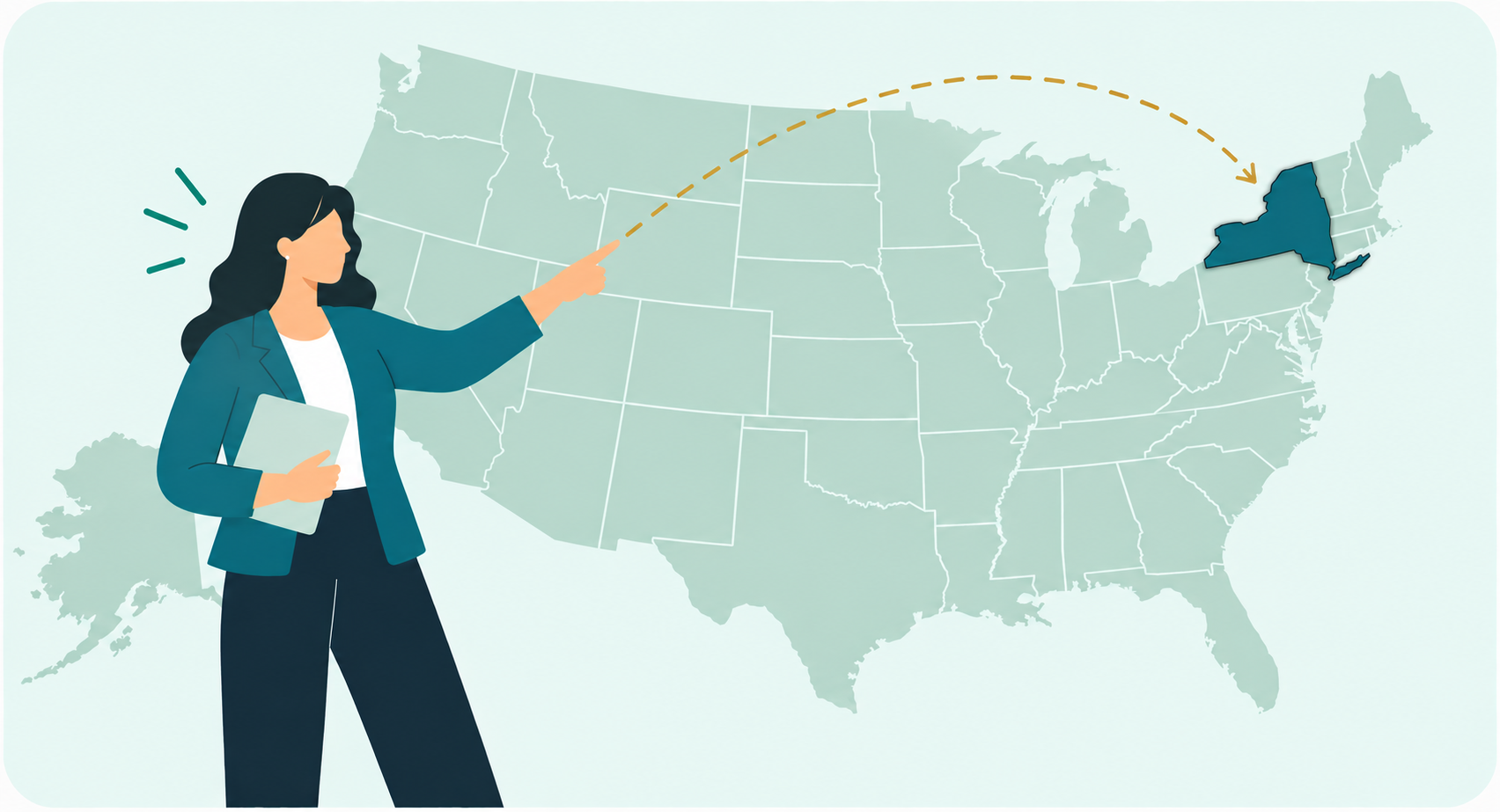
Read MoreNew York employers have until November 8 to prepare for new requirements governing employee access to, notification about, and retention of personnel records.
Read MoreMaryland employers should act now to prepare for the state’s new paid family and medical leave program, with FAMLI registration now open and payroll contributions beginning January 1, 2027.
Read MoreCalling someone an independent contractor doesn't necessarily make them one in the eyes of the law.
Read MorePaying employees through commissions can be an effective compensation strategy, but it doesn't automatically eliminate minimum wage and overtime obligations.
Read MoreAn employee handbook should evolve with your business, because outdated policies can create confusion, inconsistency, and unnecessary legal risk.
Read MorePaying someone a salary doesn't automatically exempt them from overtime requirements.
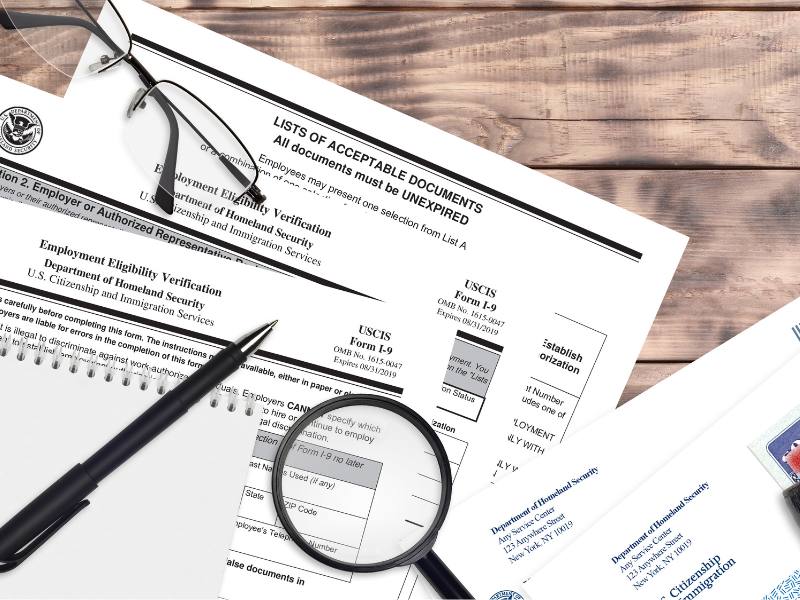
Read MoreWith federal immigration enforcement expected to increase, now is the time for employers to review their Form I-9 compliance before an audit forces the issue.
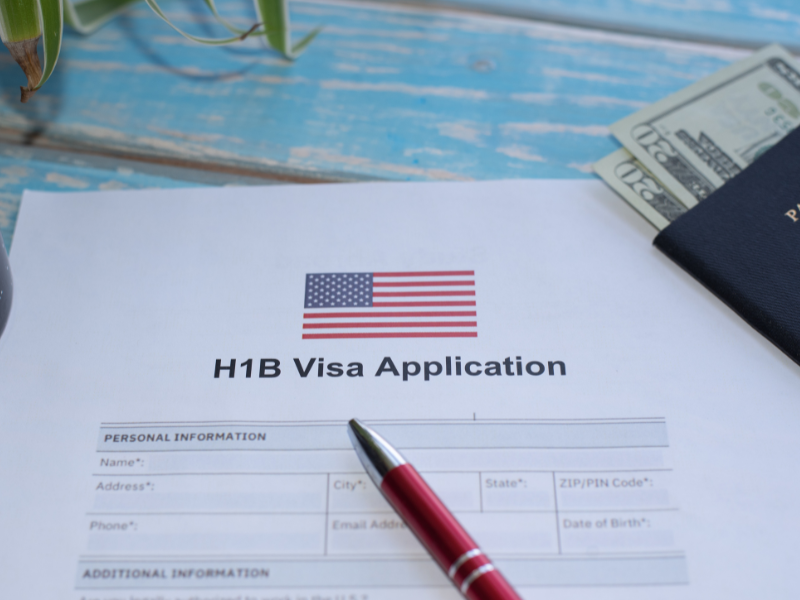
Read MoreThe future of the $100,000 H-1B visa fee remains uncertain following a federal court decision striking down the measure.
Read MoreMany employers are surprised to learn that overtime is calculated by the workweek, not by the pay period.
Read More