New York Employers: Are You Ready for the December 2026 Naloxone Requirement?
New York employers have another workplace safety requirement to prepare for before the end of the year.
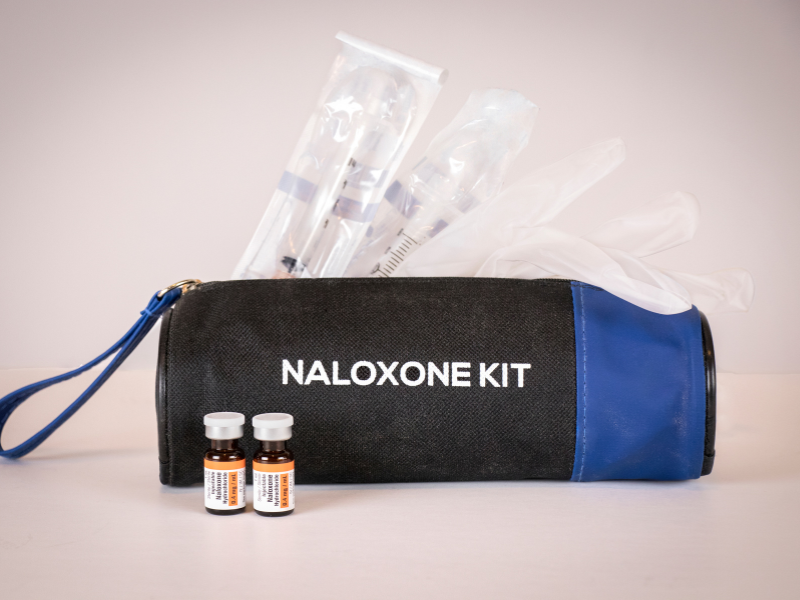
Under New York Labor Law § 27-f, private employers that are required to maintain first aid supplies under federal workplace safety standards must also have an opioid antagonist available for emergency use. These medications, including naloxone (commonly sold under the brand name Narcan), can temporarily reverse an opioid overdose while emergency medical assistance is on the way.
The New York State Department of Labor (NYSDOL) has published proposed regulations explaining how employers would be expected to comply. Although the regulations are not yet final, they provide useful guidance for businesses preparing for the December deadline.
Which New York Employers Are Covered?
The law applies to private employers that are required under federal Occupational Safety and Health Administration (OSHA) standards to maintain first aid supplies for injured employees.
Generally, OSHA requires first aid supplies when medical facilities are not sufficiently close to the workplace to provide timely treatment. As a result, the new requirement may affect businesses across a wide range of industries, including offices, retail establishments, warehouses, and manufacturing operations.
Coverage depends on the circumstances of each workplace, not simply the number of employees or the type of business. Public employers, including state and local government agencies, are excluded.
Employers should review their existing first aid obligations to determine whether the new law applies to their locations.
What Will Employers Need to Do?
The proposed NYSDOL regulations outline several responsibilities beyond simply purchasing naloxone.
Maintain an adequate supply. The proposed rules do not specify a fixed number of doses. Instead, employers would determine an appropriate supply based on factors such as workplace size, layout, staffing levels, and potential overdose risks.
Make supplies easily accessible. Medication would need to be stored where it can be reached quickly during an emergency. Employers should consider placing it near existing first aid supplies or automated external defibrillators (AEDs), while ensuring employees know where it is located. Medication must also be stored with appropriate instructions.
Provide employee training. Under the proposed regulations, at least one employee trained to administer an opioid antagonist would need to be present during business hours. Training would cover recognizing overdose symptoms, administering the medication, contacting emergency responders, and understanding applicable Good Samaritan protections.
Inspect and replace supplies. Employers would need to regularly check medication for expiration, damage, tampering, or missing doses and arrange for prompt replacement when necessary.
Businesses sharing a workplace could also coordinate compliance through a written agreement.
These details remain subject to change while the regulations are being finalized.
What Should Employers Do Before December 12?
With the effective date approaching, employers should begin reviewing their workplace safety procedures rather than waiting for the final regulations.
Start by determining which locations are covered and whether existing first aid arrangements need to be updated. Consider where naloxone should be stored, how many doses may be appropriate, and who will be responsible for inspecting and replacing supplies.
Employee training also deserves early attention. Businesses with multiple shifts or locations should consider how they will maintain coverage by trained employees throughout their operating hours if that provision is adopted.
New York's Office of Addiction Services and Supports offers resources on overdose prevention, including information about obtaining naloxone and accessing training.
Employers should also monitor the rulemaking process. The public comment period is scheduled to close on November 22, 2026, and the final regulations may differ from the current proposal.
The new law adds an important responsibility to workplace emergency preparedness. At SevenStar HR, we help businesses understand changing employment requirements and incorporate them into practical workplace policies, training, and compliance procedures.
For New York employers, the immediate priority is to determine whether the law applies and begin preparing for the December deadline.