Is Your AI Policy Ready for the Notetaker in Someone’s Pocket?
You may have rules about which AI tools employees can access on company computers. You may block unapproved apps or prevent AI bots from joining virtual meetings.
But what happens when the AI tool is attached to an employee’s phone?
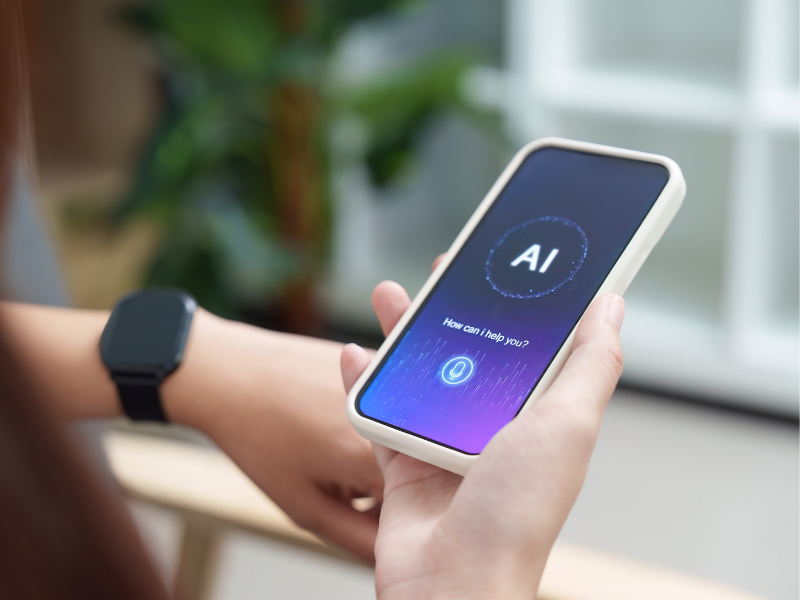
Portable AI notetakers are making it possible to record conversations, create transcripts and summaries, and identify follow-up items without installing anything on a company computer or connecting a recording device to the company network.
There are real advantages to that technology. Employees can spend less time taking notes and more time participating in conversations. Follow-up can be faster and more consistent.
The problem is that the same convenience can create an HR risk many employers haven't planned for.
Think About What Gets Discussed at Work
An employee doesn't have to be sitting in a confidential executive meeting to capture sensitive information.
HR conversations routinely involve medical information, workplace complaints, accommodation requests, performance concerns, and other personal employee information. Interviews, customer calls, leadership meetings, and even informal workplace conversations can include information that wasn't intended to leave the room.
An AI notetaker may capture all of it.
And unlike handwritten meeting notes, the recording may then be sent to a third-party AI provider to create a transcript, identify speakers, summarize the conversation, and generate additional records.
That's an important distinction. Someone agreeing to have a meeting recorded doesn't necessarily mean they understand, or have agreed to, what happens to that information afterward.
Your Technology Controls May Not Be Enough
Many employers have already taken steps to control AI use. They may restrict software installations, block certain websites, or prohibit employees from connecting unapproved applications to company systems.
Portable devices can operate outside those controls.
An employee could potentially record a workplace conversation using a personal device and later upload it through a personal account. The employer may have no visibility into which service was used, what information was shared, where it is stored, who else can access it, or how long it will be retained.
This is one example of what's often called "shadow AI"…employees using AI tools without the organization's approval or oversight.
This Is an HR Policy Issue, Too
Employers shouldn't assume their existing technology policies cover this situation.
A good place to start is by reviewing both your workplace recording policy and your AI usage policy. Employees should understand which tools are approved, when permission is required, what information should never be submitted to an AI service, and whether personal devices or accounts can be used for company business.
The purpose of the meeting matters, too. Approving an AI notetaker for routine internal meetings shouldn't automatically mean it can be used during a workplace investigation, accommodation discussion, conversation involving confidential information, or communication with legal counsel.
Recording laws also vary by jurisdiction, particularly when participants are in different states or countries. Employers need to consider applicable consent requirements, and workplace recording policies should be reviewed carefully so they don't inadvertently restrict employee activity protected by labor and employment laws.
Make Sure Employees Know the Rules
A policy won't accomplish much if employees don't know it exists or don't understand how it applies to the technology they're actually using.
Managers, HR professionals, and employees should know when AI notetakers are permitted, when approval and consent are required, which conversations shouldn't be recorded, and what to do if they discover an unauthorized recording. Update your handbook accordingly, and send them an email to let them know.
AI notetakers can be useful workplace tools. The answer isn't necessarily to prohibit them.
The better question is whether your policies have kept pace with how easy they have become to use.
If your AI policy was written when the biggest concern was which AI websites employees could access, it may be time to take another look. SevenStar HR can help you develop practical workplace policies that reflect how your employees are actually using AI.