What Are AI Digital Twins and Why Should Employers Care?
Artificial intelligence has already changed the way many businesses recruit, communicate, and automate routine work. The next development may be even more significant.
AI digital twins are intended to preserve the expertise employees build over time by modelling how they communicate, solve problems, and carry out their work.
The technology is still in its early stages, but it raises important questions that employers should begin considering now.
What exactly is a digital twin?
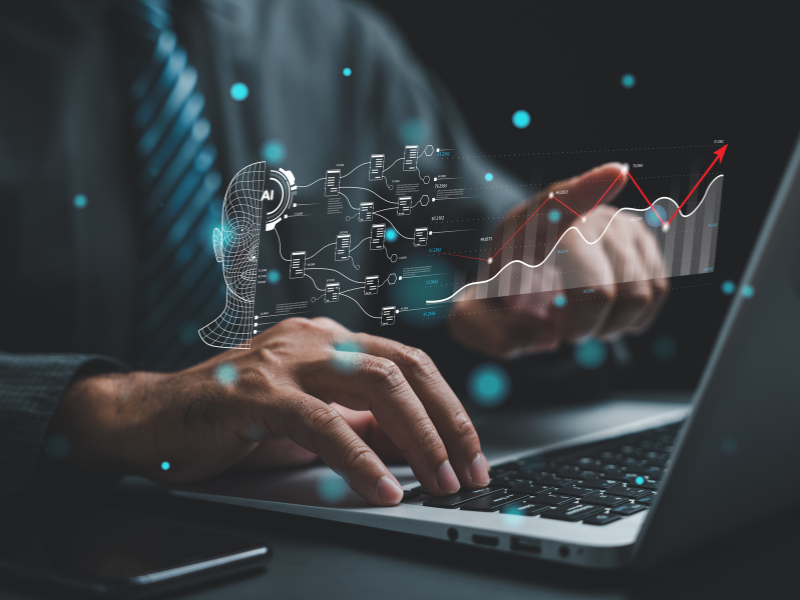
Unlike traditional AI tools that simply generate content or automate repetitive tasks, a digital twin is intended to mirror how a particular employee works.
It may be built using workplace information such as emails, meeting notes, documents, messaging platforms, and other business communications. The goal is to make valuable knowledge more accessible, reduce disruption when employees are unavailable, and improve succession planning.
For organizations concerned about preserving expertise, the appeal is obvious.
The opportunities are real—but so are the questions
As promising as the technology may be, employers should think carefully before implementing it.
For example:
What employee data will be used to build the digital twin?
Who owns the digital twin once it has been created?
Can it continue to be used after an employee leaves the organization?
How much influence should it have over workplace decisions?
These questions do not yet have clear legal answers, which makes thoughtful planning especially important.
AI doesn't change employer responsibility
One principle is unlikely to change.
If AI contributes to decisions involving hiring, promotions, discipline, scheduling, or other employment matters, employers remain responsible for those decisions. A recommendation generated by technology does not remove the employer's obligation to exercise sound judgment or comply with employment and human rights laws. Regular oversight and careful review remain essential.
Good governance should come before adoption
Digital twins are not yet part of everyday business operations for most employers, but they illustrate how quickly workplace AI continues to evolve.
Organizations that begin discussing data governance, employee privacy, transparency, and responsible AI use today will be better prepared as these technologies become more common. Waiting until new tools are already embedded in the workplace often makes those conversations much more difficult.
Like many emerging technologies, AI digital twins offer significant potential. The organizations that benefit most will likely be those that embrace innovation while taking the time to establish well-thought-out policies and clear expectations from the outset.