The Human Skills AI Can't Replace
Every few weeks, there's another headline predicting how artificial intelligence will transform the workplace. Most focus on what AI can do. Far fewer ask a more useful question: What will people still need to do?
Recent research suggests the answer isn't changing as much as many people think.
A Resume Now analysis of O*NET data found that the most important workplace abilities across a wide range of occupations remain fundamentally human. Understanding information, communicating clearly, recognizing problems, and applying sound judgment continue to rank among the most valuable skills employees can bring to work.
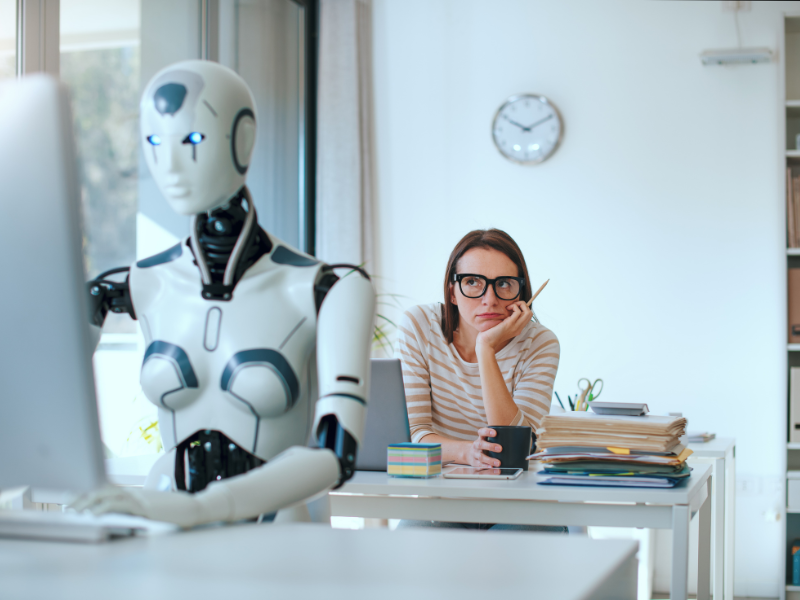
AI still needs people to think
The two highest-ranked abilities were oral comprehension and oral expression. That may not sound surprising, but it highlights an important point.
AI can generate information in seconds. It cannot reliably determine whether that information is appropriate for your business, explain it to a customer with empathy, or persuade a team to act on it. Those responsibilities still depend on people.
The research also highlighted problem sensitivity and deductive reasoning - skills that allow employees to recognize potential issues early and make thoughtful decisions before small problems become larger ones.
Technology can accelerate work, but it doesn't replace sound judgment.
The most successful employees won't simply use AI
Other research points to the same conclusion.
Studies have found that employees who treat AI as a collaborator rather than something to delegate work to tend to achieve better results. The difference isn't the technology itself - it's how people apply their own experience, ask better questions, evaluate the answers they receive, and decide what happens next.
As AI becomes more capable, human judgment becomes more valuable…not less.
What this means for employers
Many organizations are investing heavily in AI tools, but technology is only part of the equation.
Communication, critical thinking, emotional intelligence, and effective decision-making remain essential workplace skills. They help employees work alongside AI instead of simply relying on it.
That presents an opportunity for employers. As technology evolves, developing these durable human skills may become one of the most valuable investments an organization can make.
The conversation about AI often centers on what technology can replace. Employers may benefit just as much from asking a different question: What do we need our people to do that technology can't? The answer is likely to shape hiring, development, and leadership long after today's AI tools have evolved.